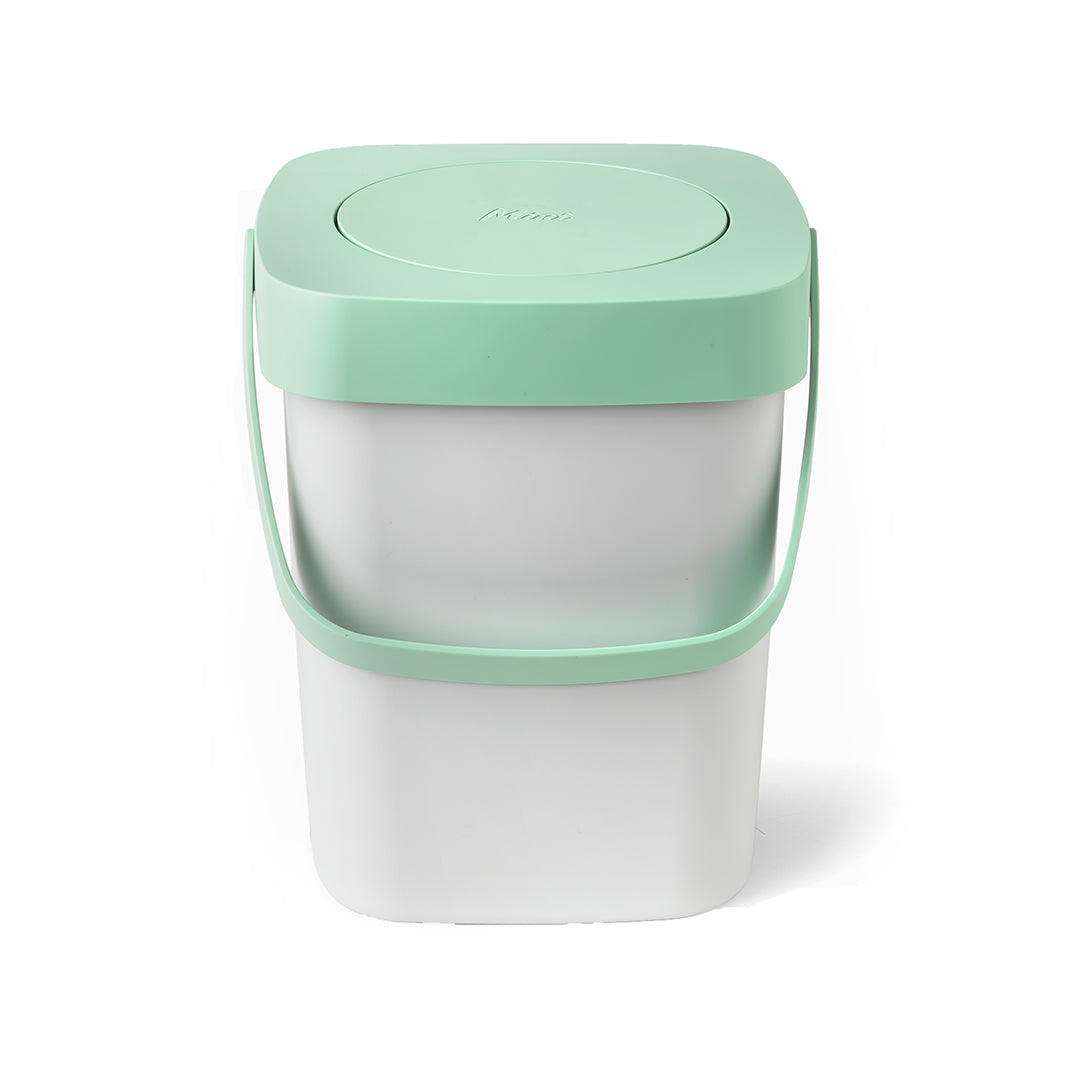

Organic Waste Bins: Vacuum Technology vs. Activated Carbon vs. Ventilated Bins
Organic waste bins are an excellent way to separate food waste so it can be turned into compost or biogas, either at home or at a collection facility. However, there are several types of organic waste bins available, each with its own advantages and disadvantages. In this article, we compare vacuum technology bins, activated carbon filter bins, and ventilated bins.
Vacuum Technology Organic Waste Bins
Vacuum technology organic waste bins are designed to reduce odors and fruit flies by removing air from the container, which slows down the decomposition of organic waste. When decomposition happens too quickly, it can lead to unpleasant odors and attract insects.
By reducing the amount of oxygen available, the vacuum limits the activity of bacteria and microorganisms responsible for decomposition. Since these microorganisms need oxygen to grow and multiply, vacuum technology helps slow their development.
These bins are generally more expensive than activated carbon models, but they are also more effective at preventing odors and fruit flies.
Activated Carbon Filter Organic Waste Bins
Activated carbon filter bins reduce odors by using activated carbon filters that capture odor molecules released by organic waste.
To remain effective, these filters must be replaced regularly, which can increase long-term costs. However, activated carbon bins are usually less expensive to purchase than vacuum technology bins.
Ventilated Organic Waste Bins
Ventilated organic waste bins allow air to circulate inside the container. This airflow helps reduce moisture and can accelerate the decomposition of organic waste.
These bins are generally the most affordable option, but they are often less effective at controlling odors and preventing fruit flies than vacuum or activated carbon systems.
Comparing the Three Systems
All three types of organic waste bins help reduce the amount of waste sent to landfill. However, vacuum technology can be more effective at limiting the growth of bacteria and microorganisms, which also helps prevent unpleasant odors.
Which Organic Waste Bin Should You Choose?
Ultimately, the right choice depends on your personal preferences and your budget.
If you're looking for the most affordable option, a ventilated bin may be the right choice.
If you're willing to invest a little more in a durable and highly effective solution, a vacuum technology bin may be the best option.
If you prefer a lower purchase price and don't mind replacing filters regularly, an activated carbon bin can be a good alternative.
Whichever system you choose, using an organic waste bin is an effective way to reduce household waste and contribute to a more sustainable environment.